"Not everything makes it to the finish line, but everything teaches a lesson. This is a collection of 24-hour hackathon sprints, material experiments, and visual thoughts that are too raw for a case study but too interesting to forget."
The Phenomenology of Relevance
WHAT if?
Convincing the Inaudible
GovJam
Thirst : Water Crisis
Apr 12, 2025
GovJam
While You Wait : An NHS Service that people desire
⛓️💥 Can technology build on human trust in public services to achieve effective quick resolutions to grievances?
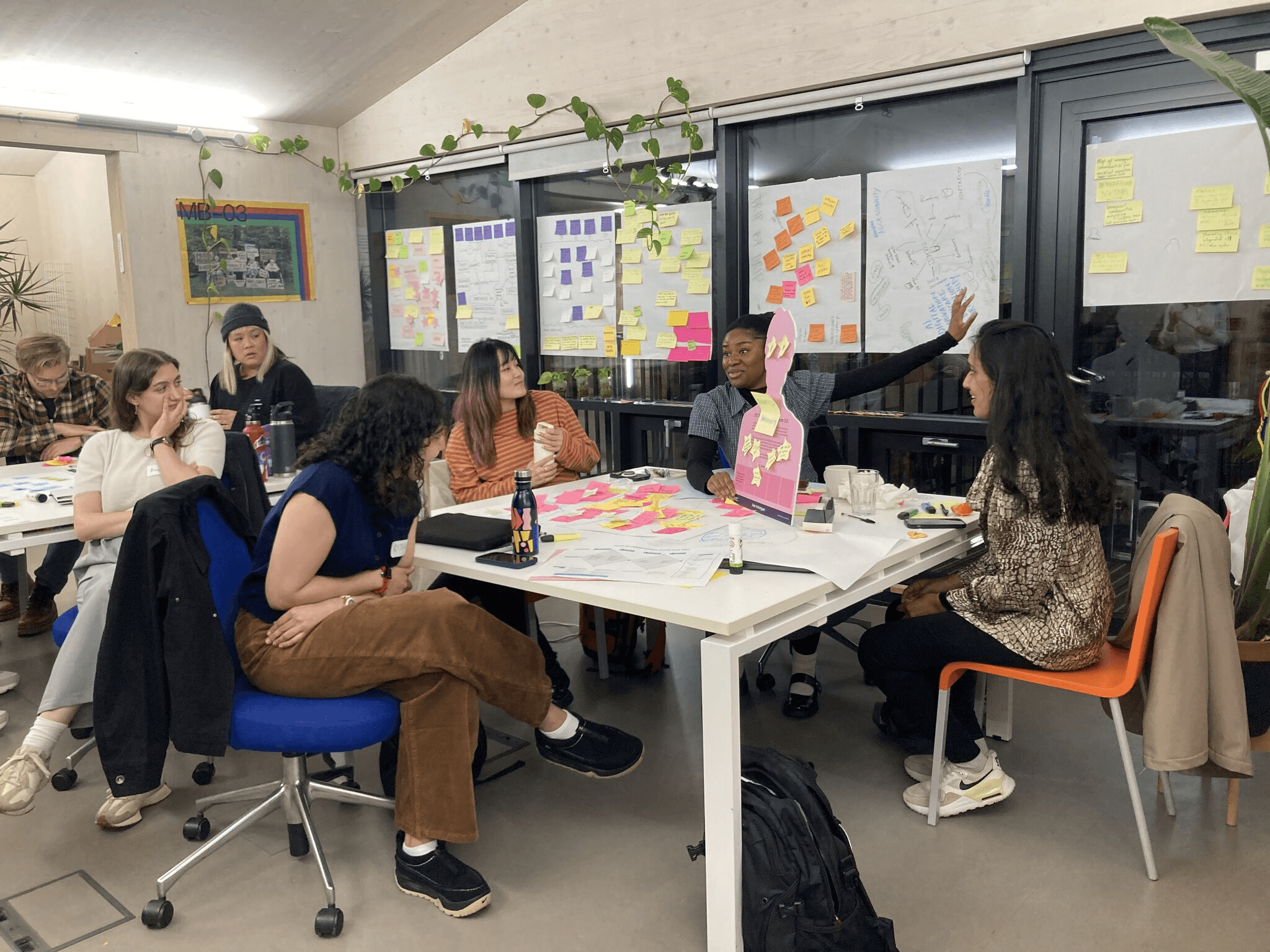
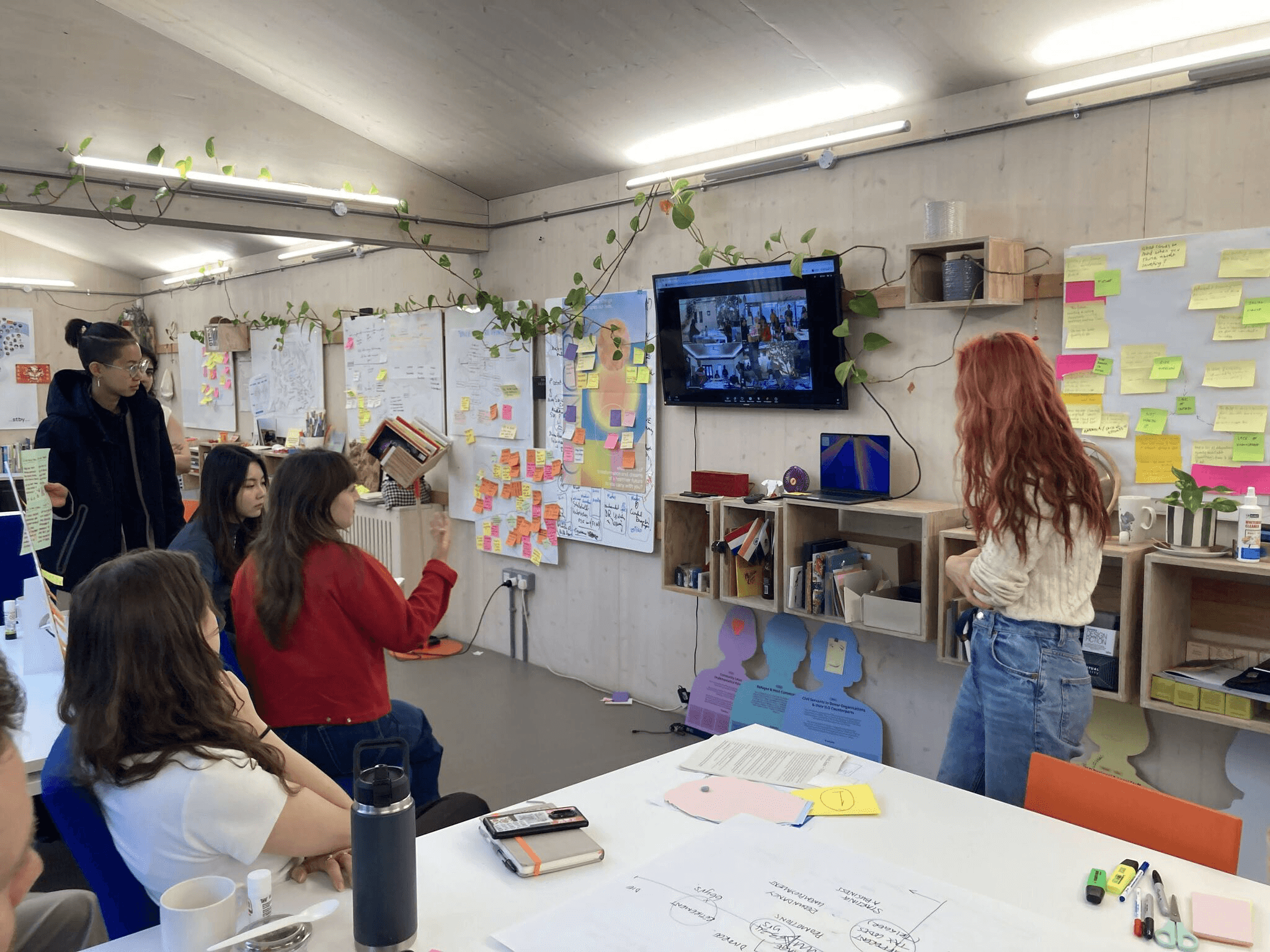
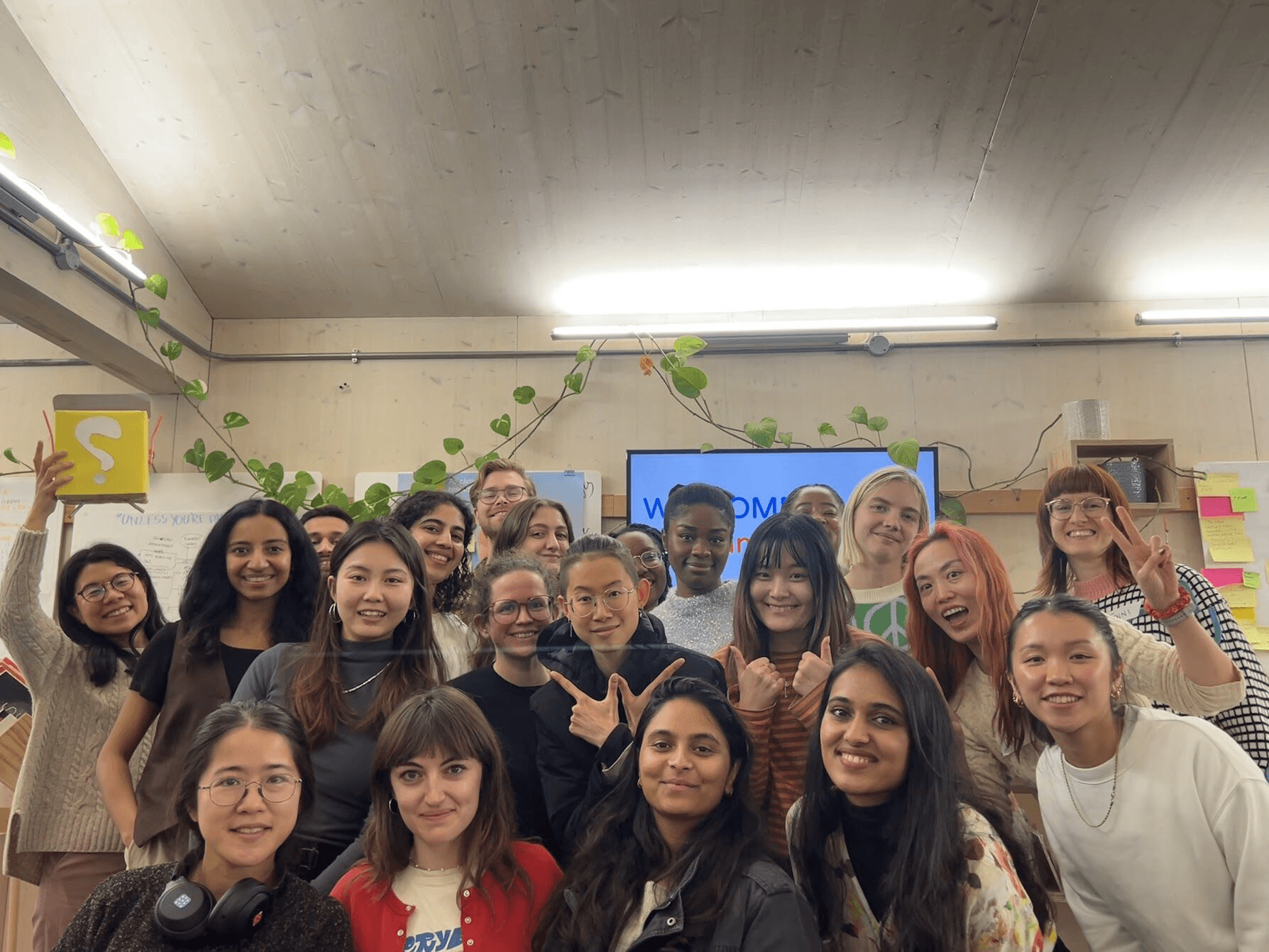
That question stayed with me throughout last week's GovJam London - part of a two-day Global Service Design sprint bringing together designers, creative thinkers, and public-sector professionals from across countries.
The broader theme was "Buckets." What struck me most was watching teams from GovJam in Delhi interpret the theme metaphorically in ways that were similar in spirit yet deeply contextual to their local challenges. It reminded me that good design isn't about universal solutions and it's about understanding the specific shape of a problem in its environment.
💙 Trust as both Asset and Barrier
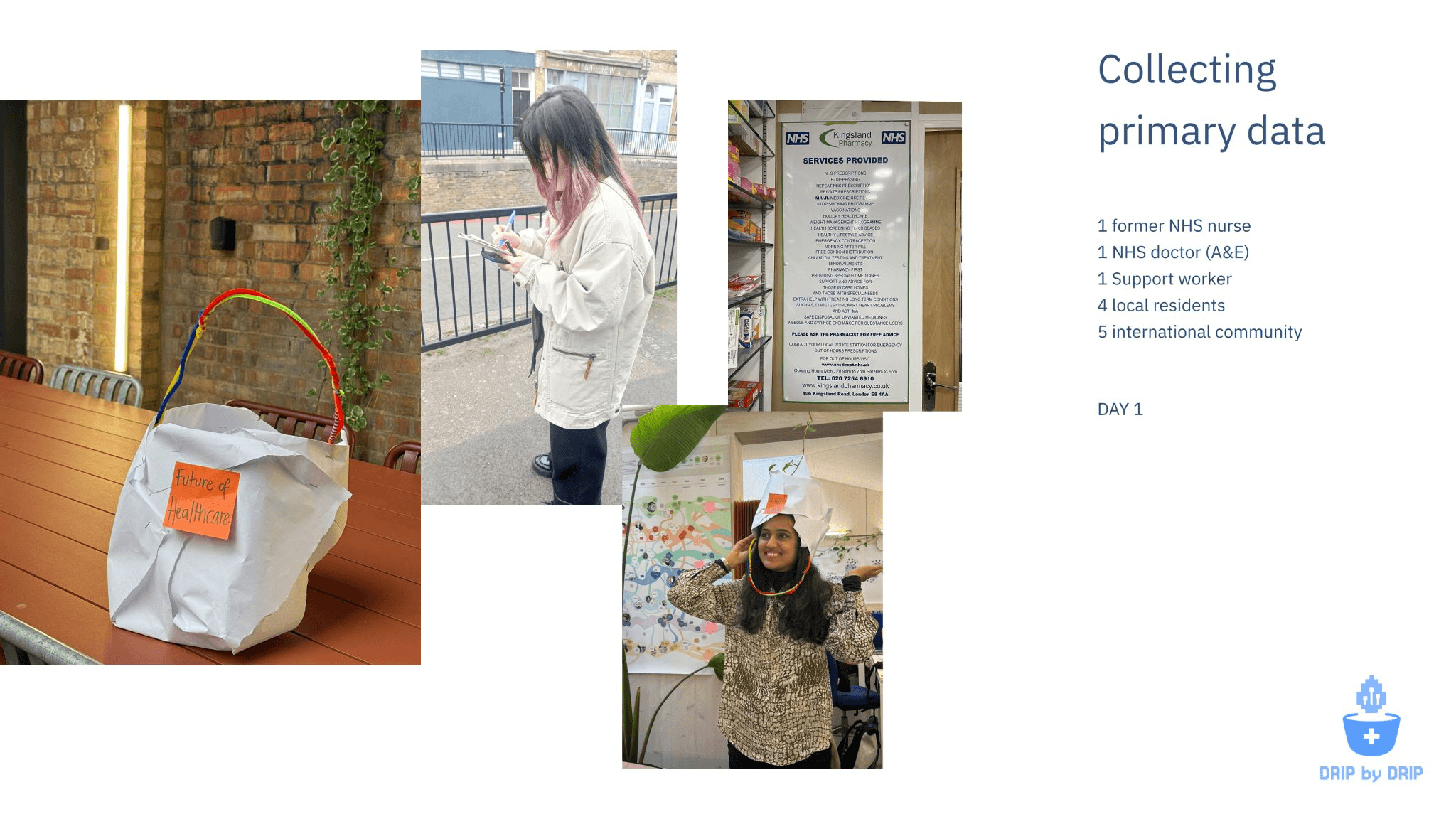
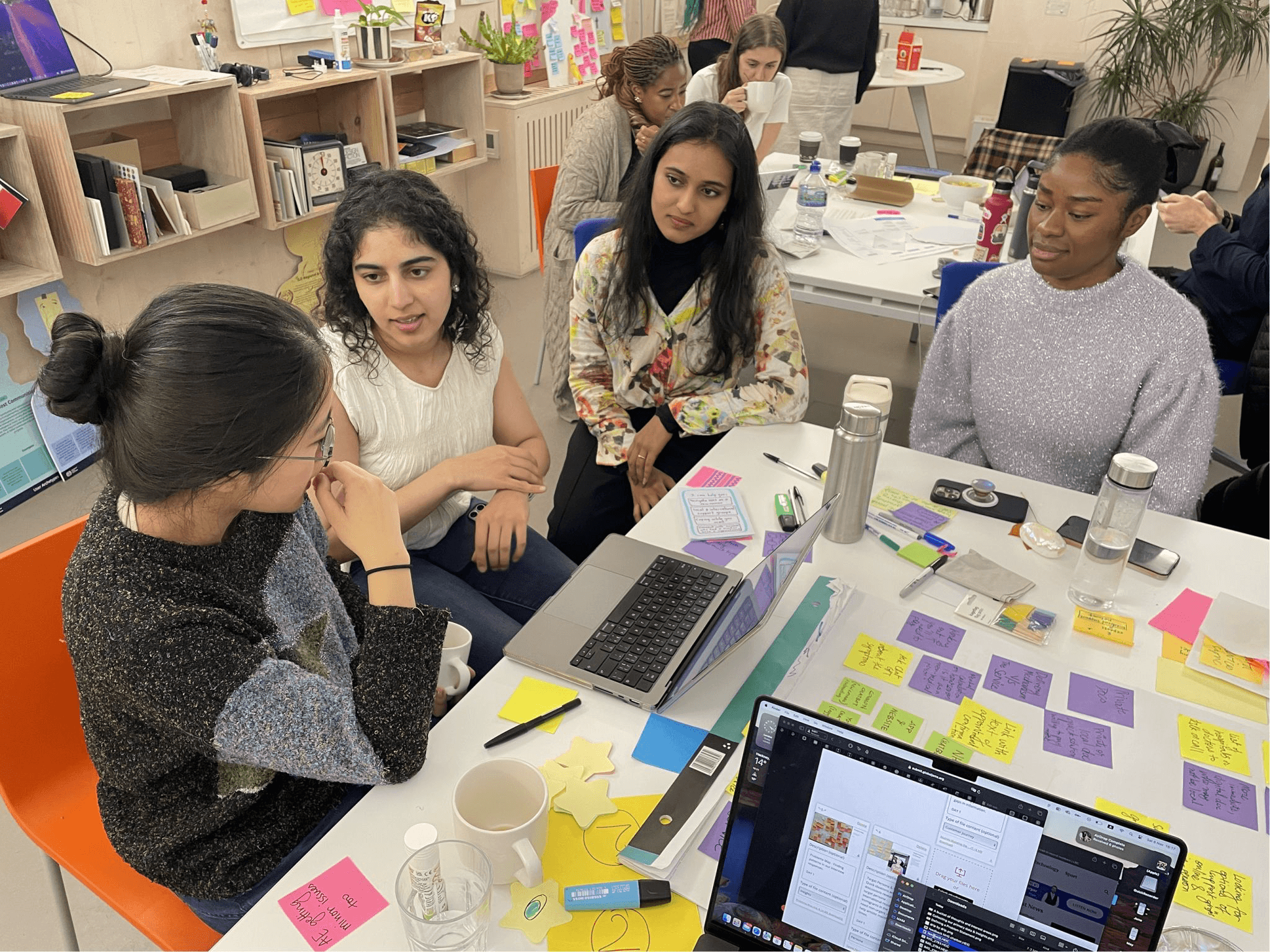
Coming to London, I'd heard about National Health Service (NHS) wait times. But hearing about them and listening to people's lived experiences are different things. After several rejections on the streets, a few kind souls shared their stories with us. What emerged wasn't simple frustration, it was more complex.
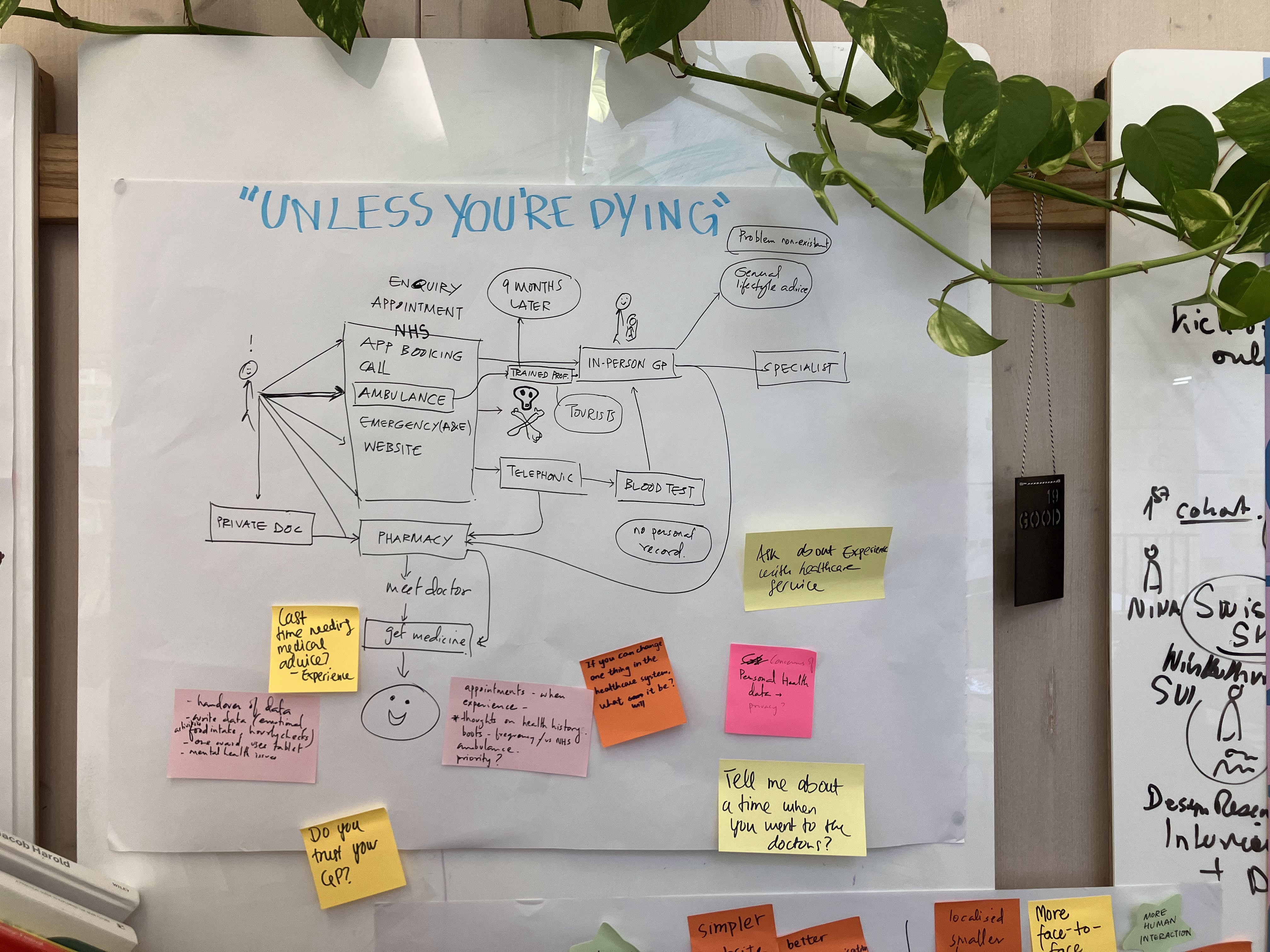
Long wait times had become normalised. People trusted the NHS and felt hopeless about it simultaneously. Free healthcare remained the choice over private costs for smaller issues, even when it meant months of waiting. Sometimes the problem wasn't just time, it was not knowing what help existed, or where to find it, or having someone who could understand their concern in their own language.
⏳ Our prototype: 'While You Wait' service
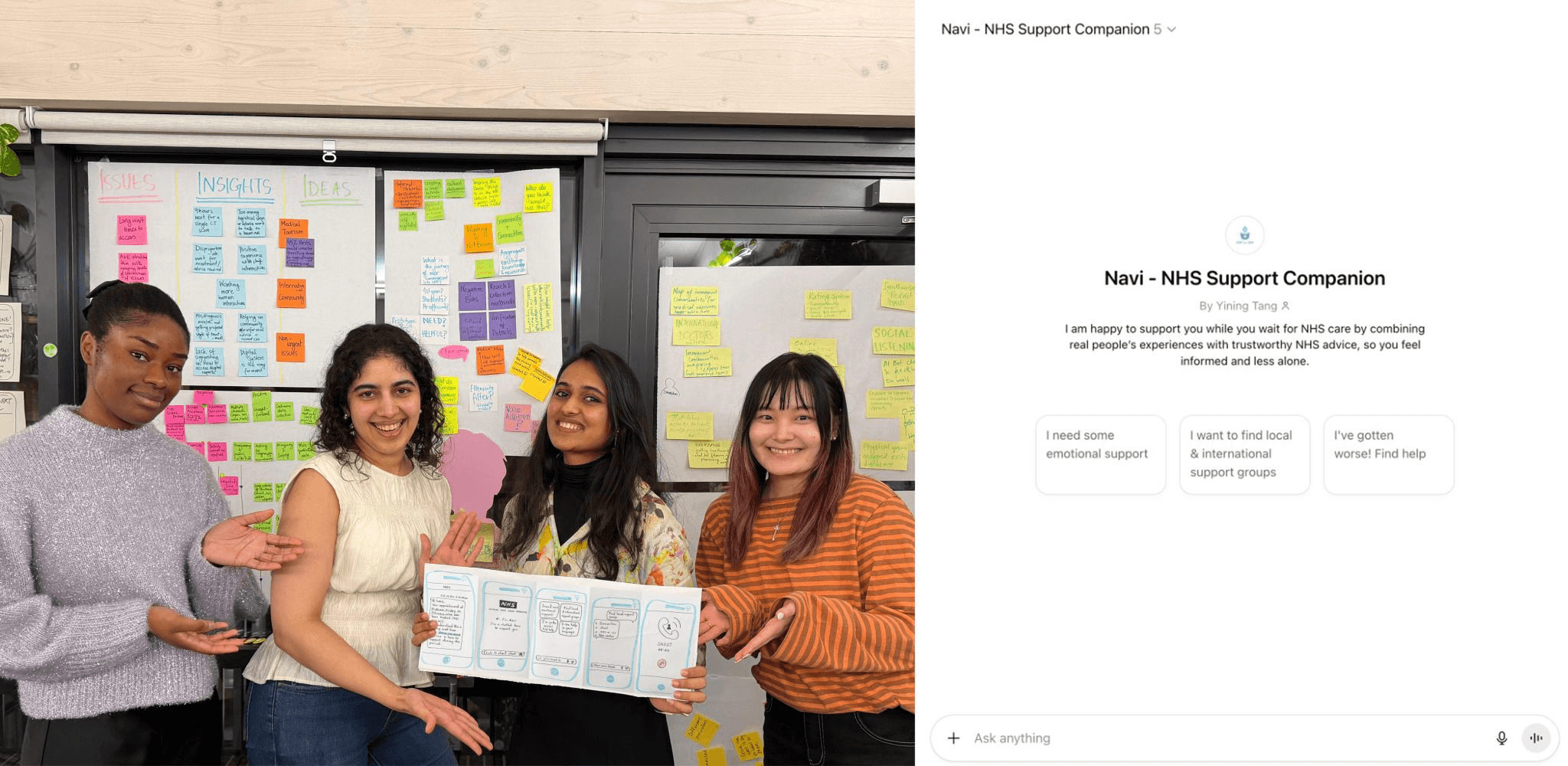
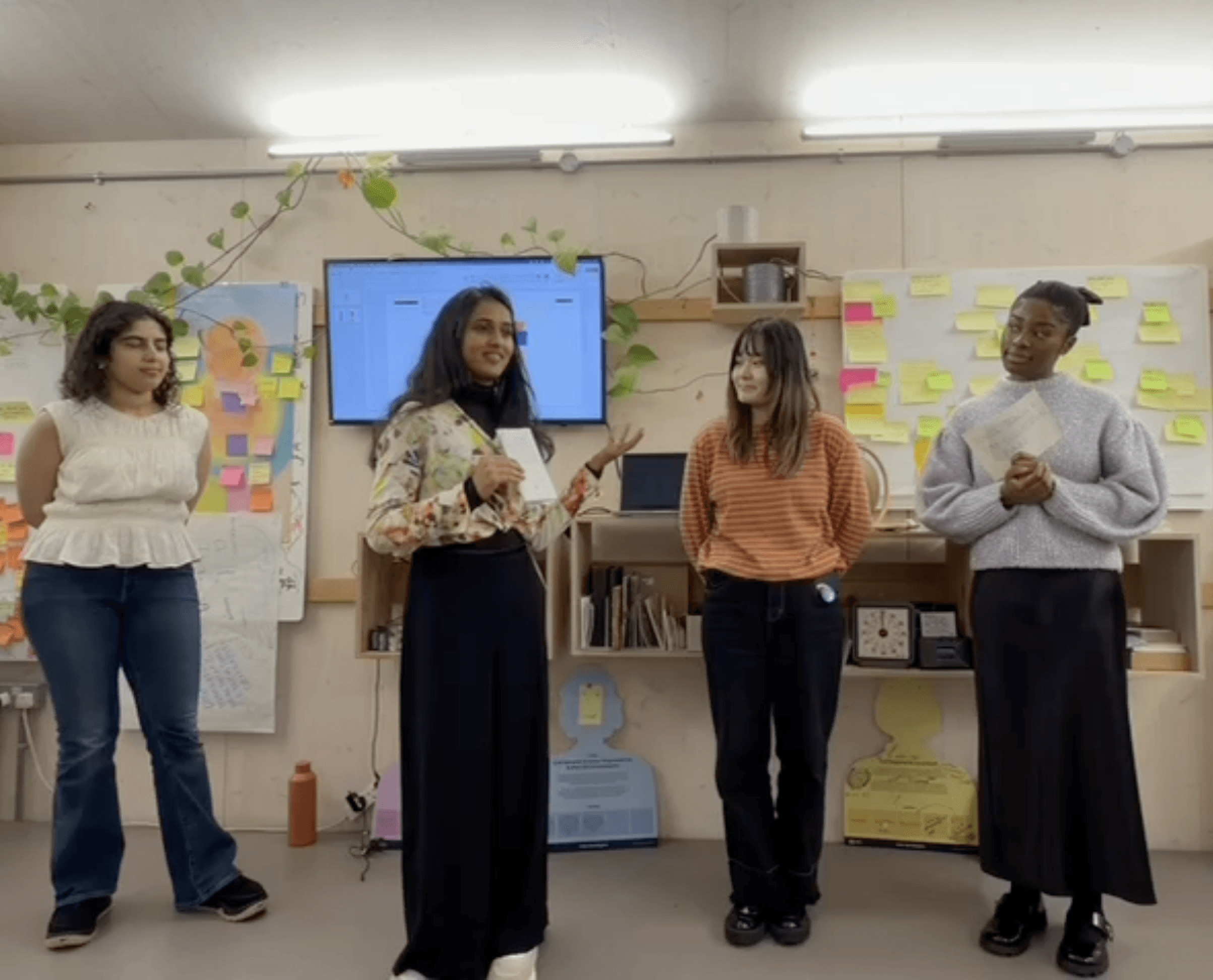
Our team 'Drip by Drip', designed 'Navi' - a multilingual conversational companion for the NHS. The concept: instead of just telling people to wait, help them during the wait. Surface the alternative resources that people didn't know existed. Listen to their concerns and guide them in their own language to the right care pathway.
Our quick paper prototypes revealed something important: people don't just want solutions, they want acknowledgment that their problem matters.
Could this reduce load on NHS staff while helping people access care faster? That's the bigger question worth exploring. But what I learned goes beyond this one prototype: public trust is infrastructure. When you have it, technology can amplify it. When you ignore it, technology feels extractive.