Nypunyam
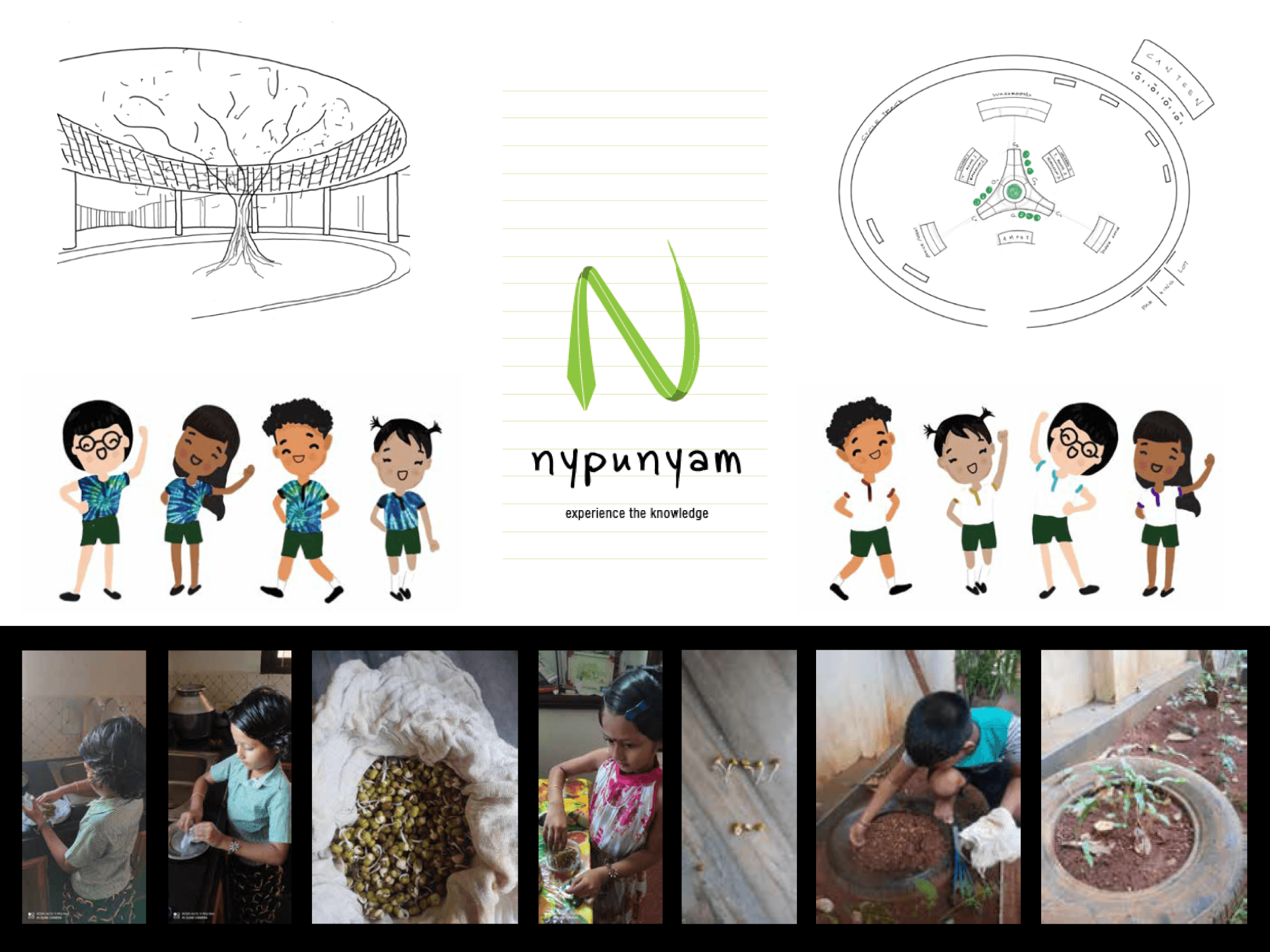
Framework for Culturally-Rooted Experiential Learning (National Education Policy 2020)
The Strategic Gap
India's National Education Policy (NEP) 2020 mandated a historic shift from rote memorisation to holistic experiential learning. However, its rollout collided with the global COVID-19 lockdown, creating a disconnect between high-level policy and ground-level execution in state schools. The challenge was to design a scalable implementation framework for the Kerala State education system that could translate these abstract policy goals into tangible, culturally relevant pedagogies ensuring "hands-on" learning that could also function within the constraints of a home environment without just relying on traditional school infrastructure.
Place-Based Systems Design
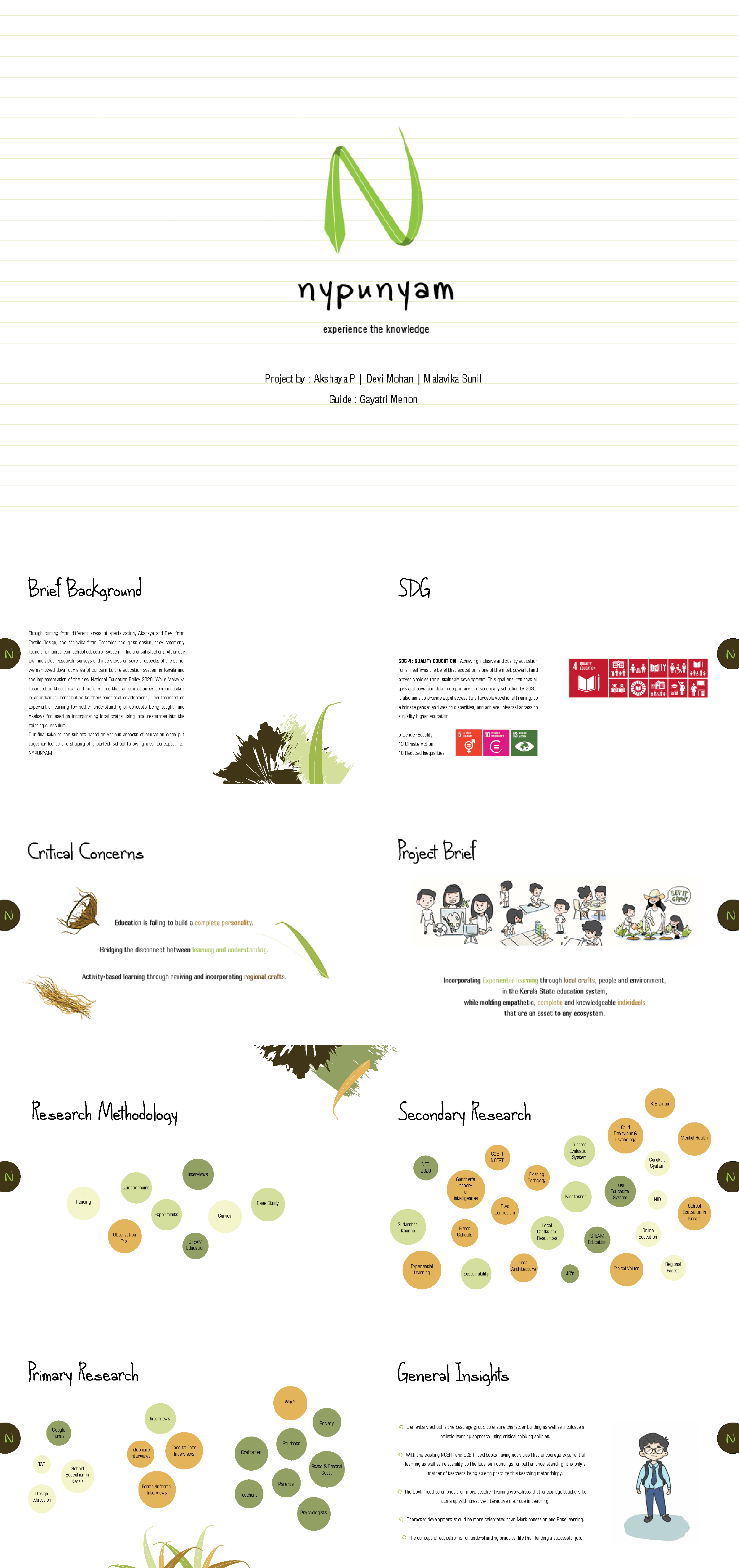
Operating under strict pandemic constraints, we pivoted from traditional field research to Remote Diagnostics.
Asset Mapping: We audited regional assets, identifying local crafts and environmental ecosystems as underutilised pedagogical tools.
Data Collection: We deployed digital questionnaires and surveys to map the anxieties and resource gaps of children, parents and teachers across the state.
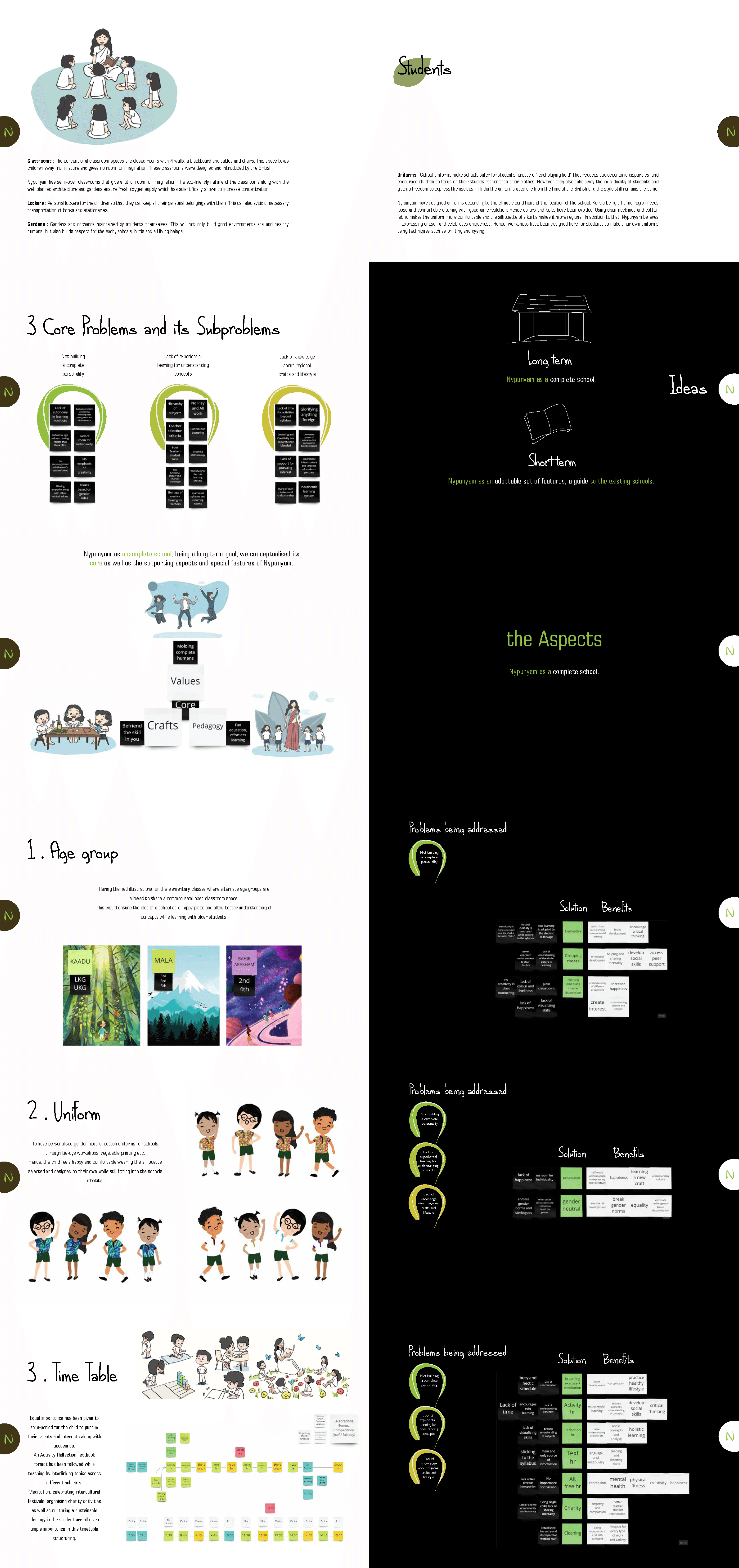
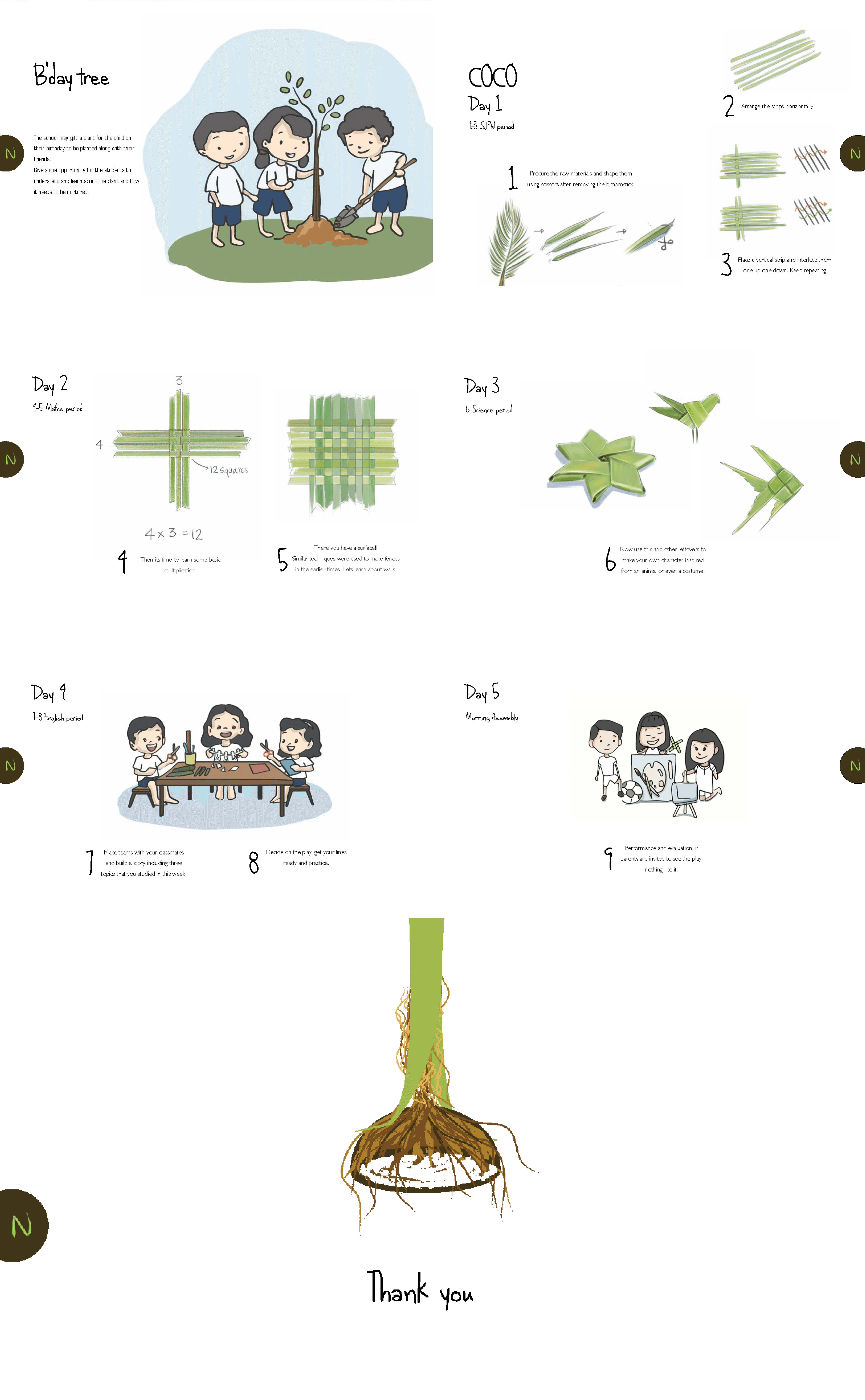
The Intervention: Based on this data, we developed the "Home-as-Lab" heuristic integrating regional crafts not as an "extra-curricular" activity, but as a core medium. The designed curriculum utilised household objects and local crafts as pedagogical tools to teach complex concepts in math, science, and systems thinking, effectively bridging the disconnect between "learning" and "understanding."
Validation: We conducted a deep-dive micro-pilot with two primary-aged users to stress-test this framework. This allowed us to observe the "learning-by-doing" process in real-time, validating that complex NEP concepts could be taught using available domestic resources.
A Holistic Education Model
The project delivered "Nypunyam" (Skill/Mastery in Malayalam), a proposal for a decentralized learning ecosystem. The findings demonstrated that by shifting the locus of control from the "Classroom" to the "Environment," education systems could become more resilient to crises. The final output offered a blueprint for integrating SDG 4 (Quality Education) into home-based learning, ensuring continuity of education during systemic disruptions. It also provided a roadmap for state bodies to operationalize NEP 2020, turning passive classrooms into active community hubs.
© Nypunyam


Role
Social Systems Designer & Researcher
Context
National Institute of Design (NID) / System Design Project
Focus: Kerala State Education System & NEP 2020 Implementation
Duration
6 weeks (remote)
Methods
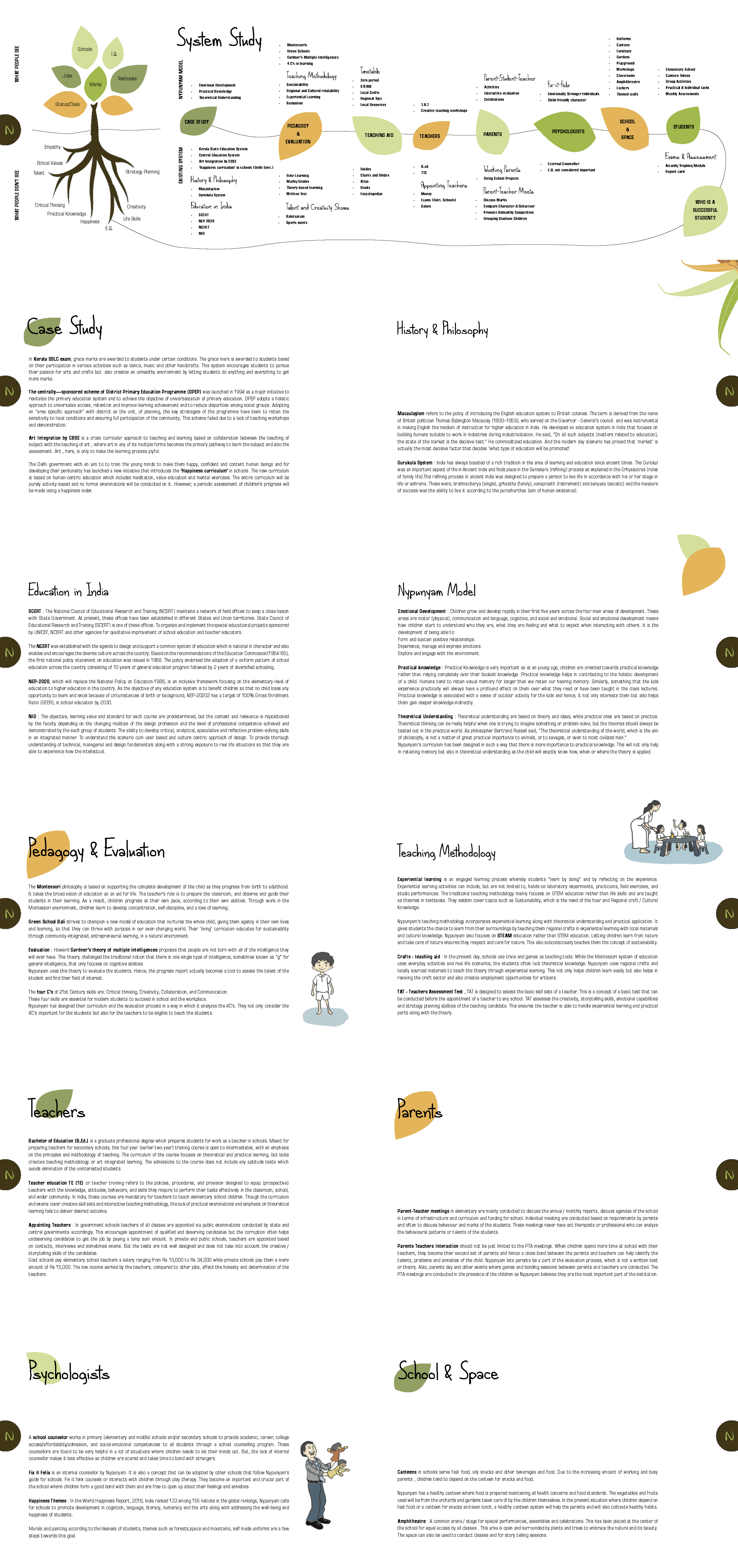
Remote Ethnography, Quantitative Surveys, Micro-Piloting, System Mapping
Outcome
Experiential Curriculum Framework & Policy Recommendations
Team
Group of 3
Tage
Ilkal Sari Weaving